A the edge of time
Casa Palacio de los Morales, 9 May - 30 June, 2024
Artists: Marina Núñez, Weixin Quek Chong, Sandra Val, Raquel Algaba, Abigail Lazkoz
Curated by Raquel Algaba
In 1976, Marge Piercy published her science-fiction novel Woman on the Edge of Time, an acclaimed landmark of feminist literature that recounts the troubled life of a woman who can see into the future. On the one hand, she glimpses the possibility of a world founded on racial and gender equality, living in balance with the environment; on the other, a society in which the boundary between people and commodities has been eroded. Undoubtedly, one of the novel’s most radical propositions is the possibility of experiencing multiple futures—the ability to visit entirely separate timelines whose potential existences nevertheless seem, somehow, to unfold in parallel.
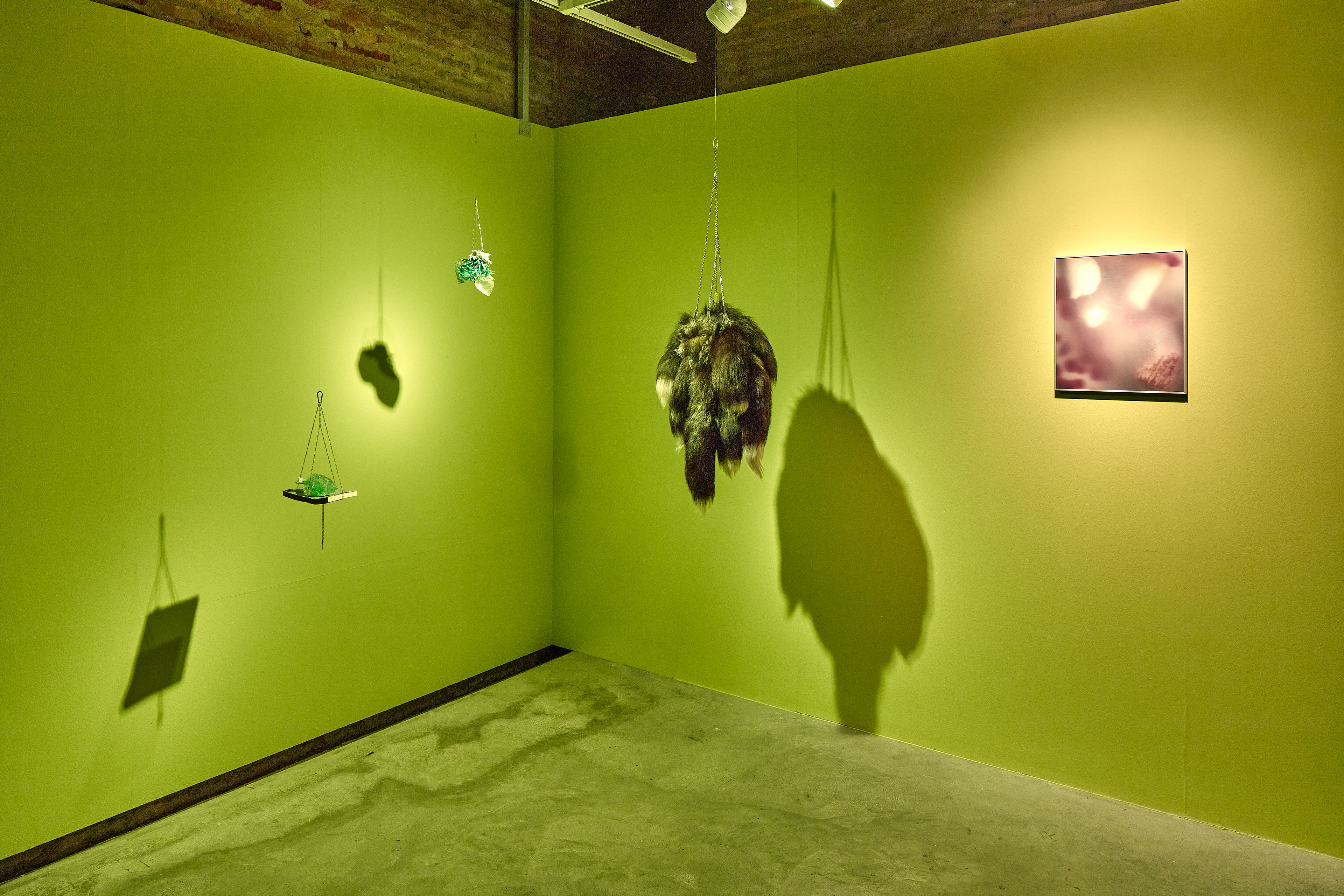
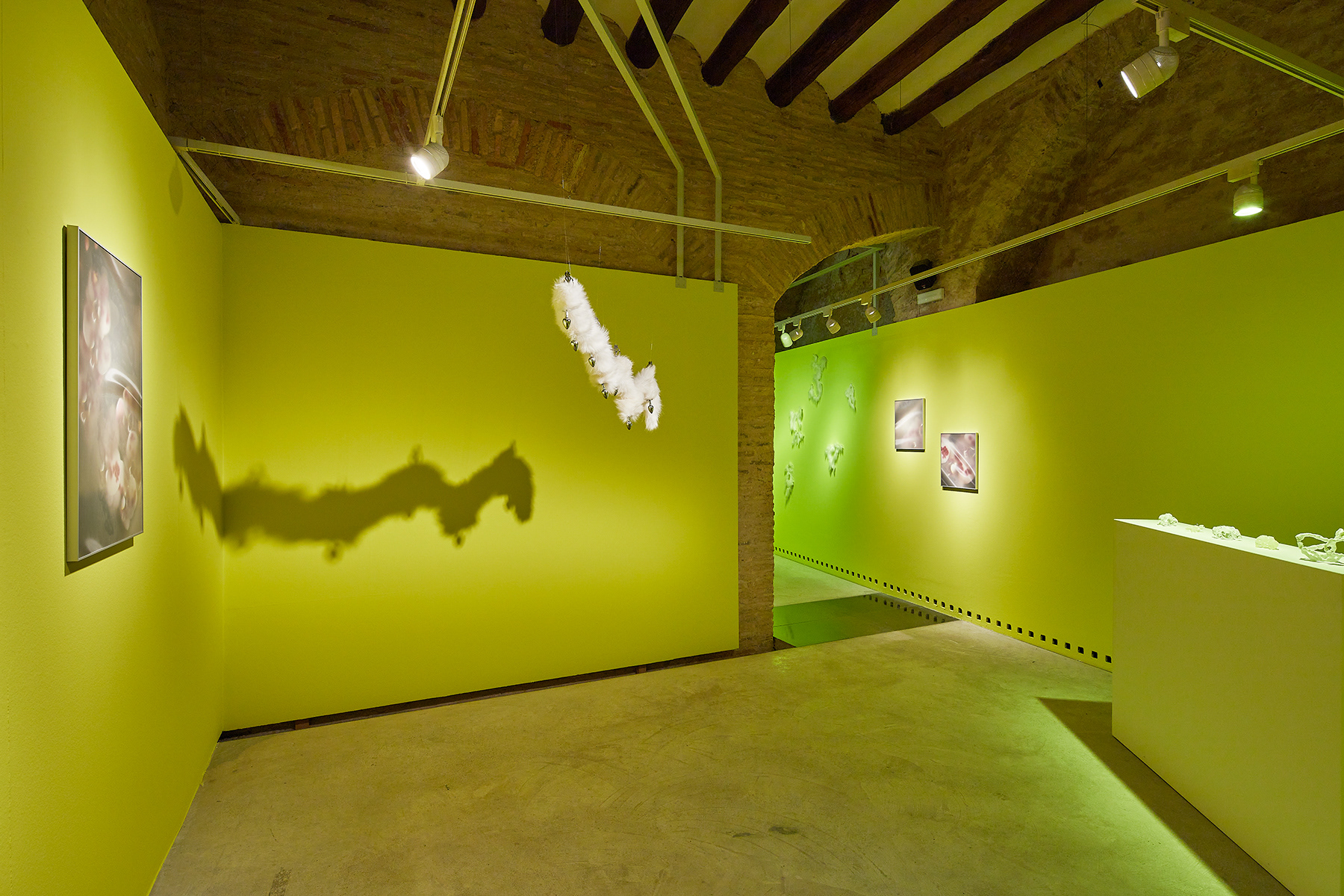
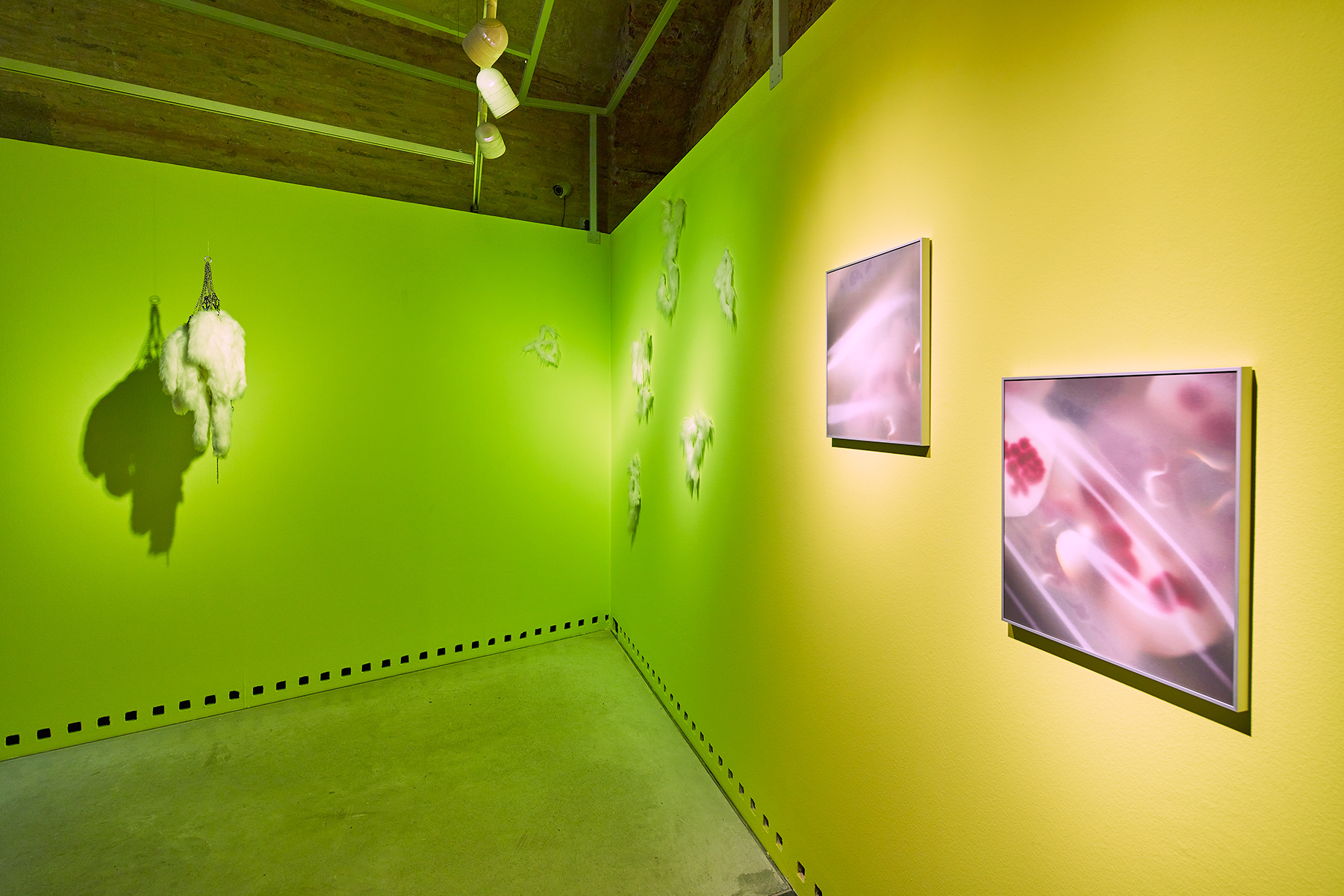
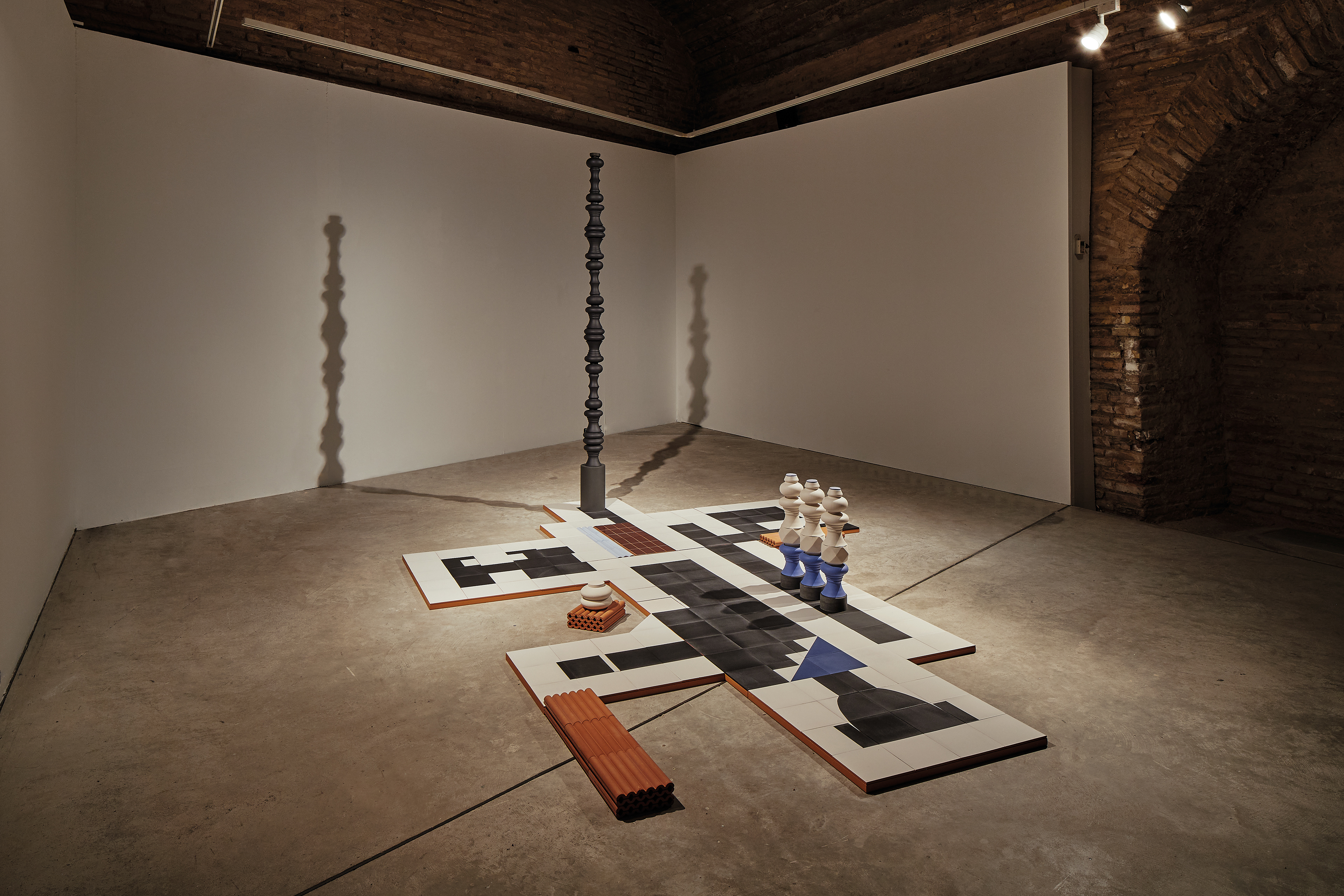
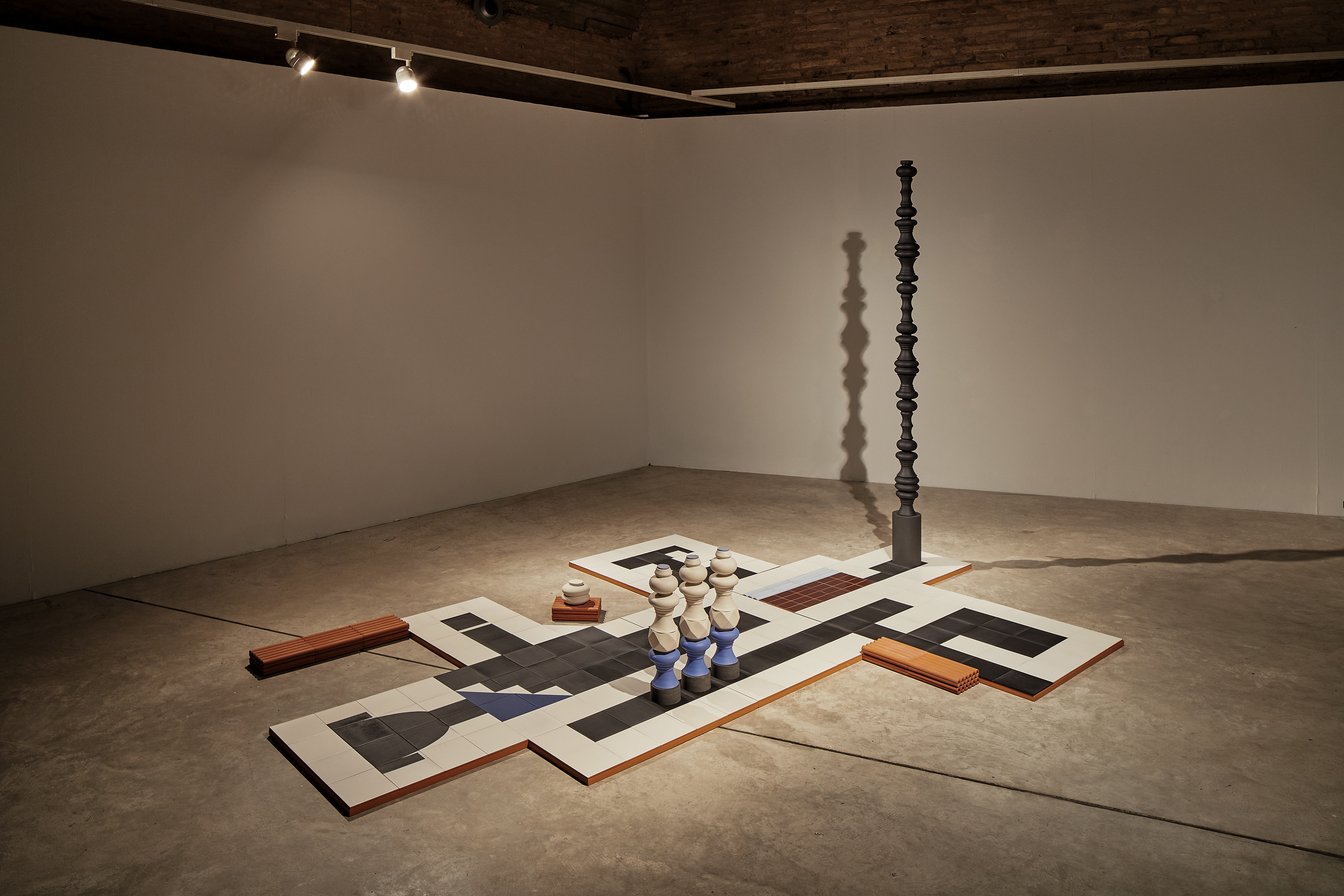
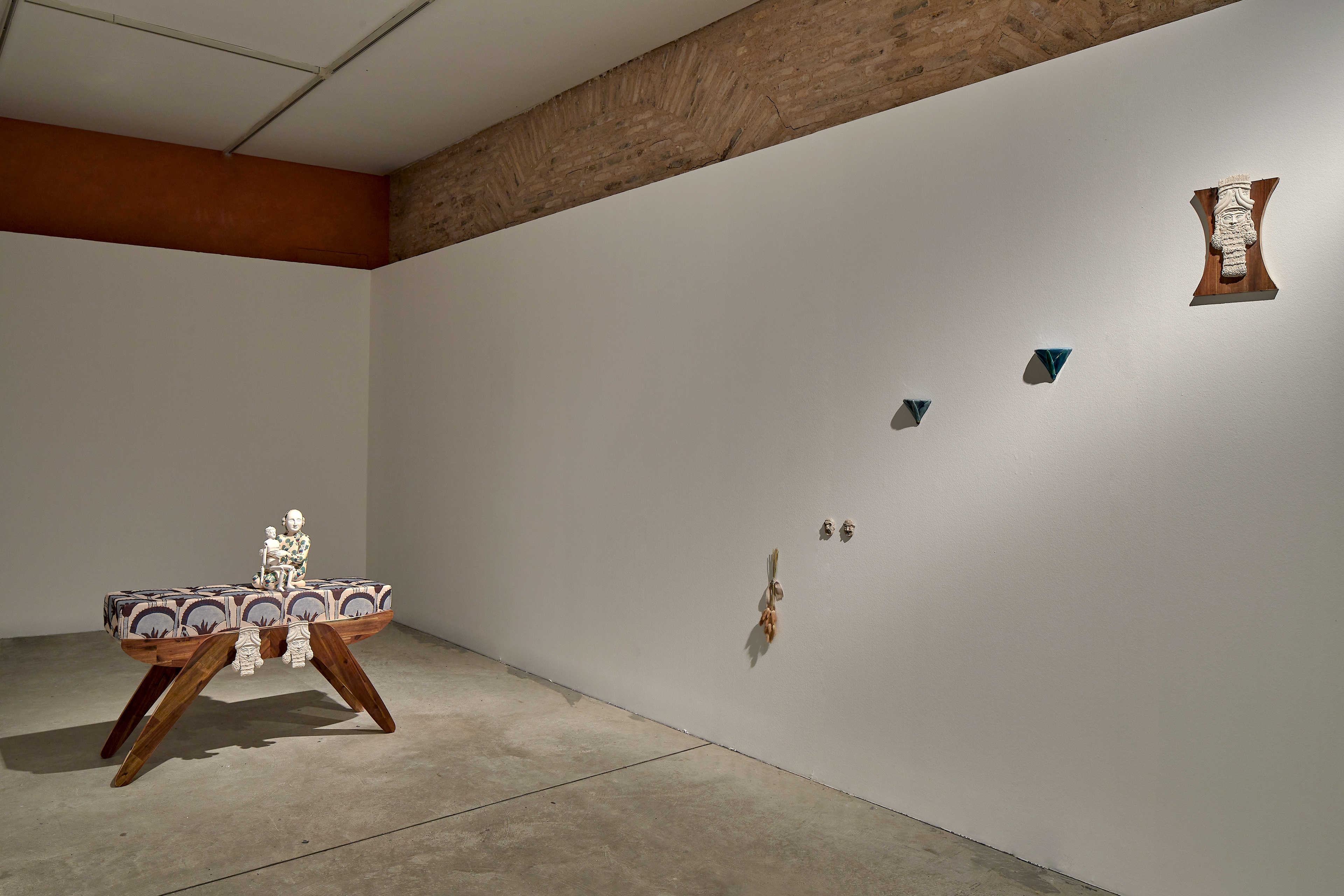
Today, more than ever, we are aware of the need to lay the right foundations on which to build our societies. Like the novel’s protagonist, the artists featured in this exhibition offer us transformative visions of our environments and our bodies. Their works function as artefacts charged with speculative, poetic and political potential in response to the challenges of the present, questioning its limits while looking towards the future. Through their work, they unfold a new range of relationships between elements that were previously unconnected, intervening, in some way, in both what already exists and what is yet to exist. Many of these combinations are so compelling that they potentially constitute new realities in themselves—realities whose defining condition is that, rather than presenting themselves, they reveal other realities beyond their own.
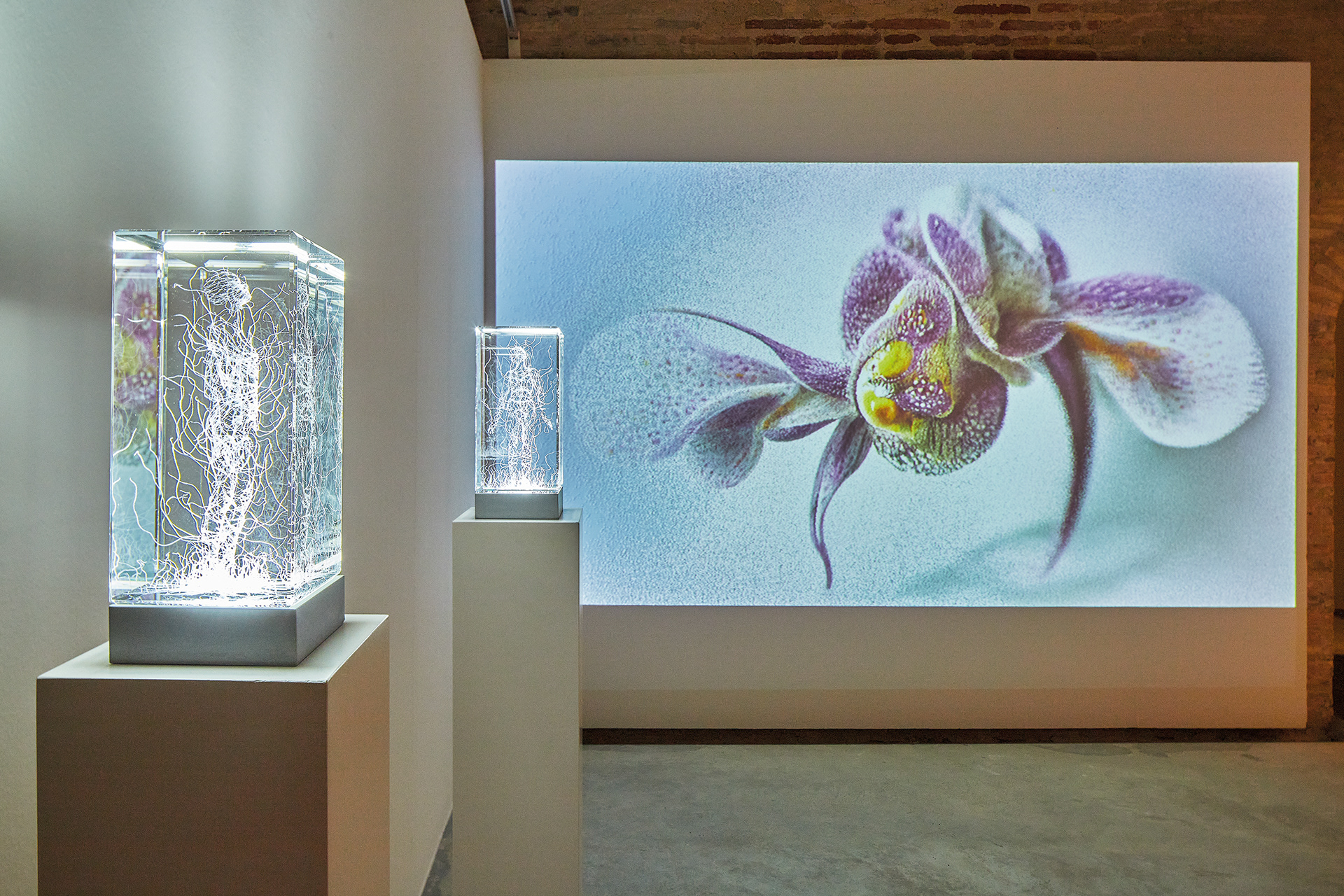
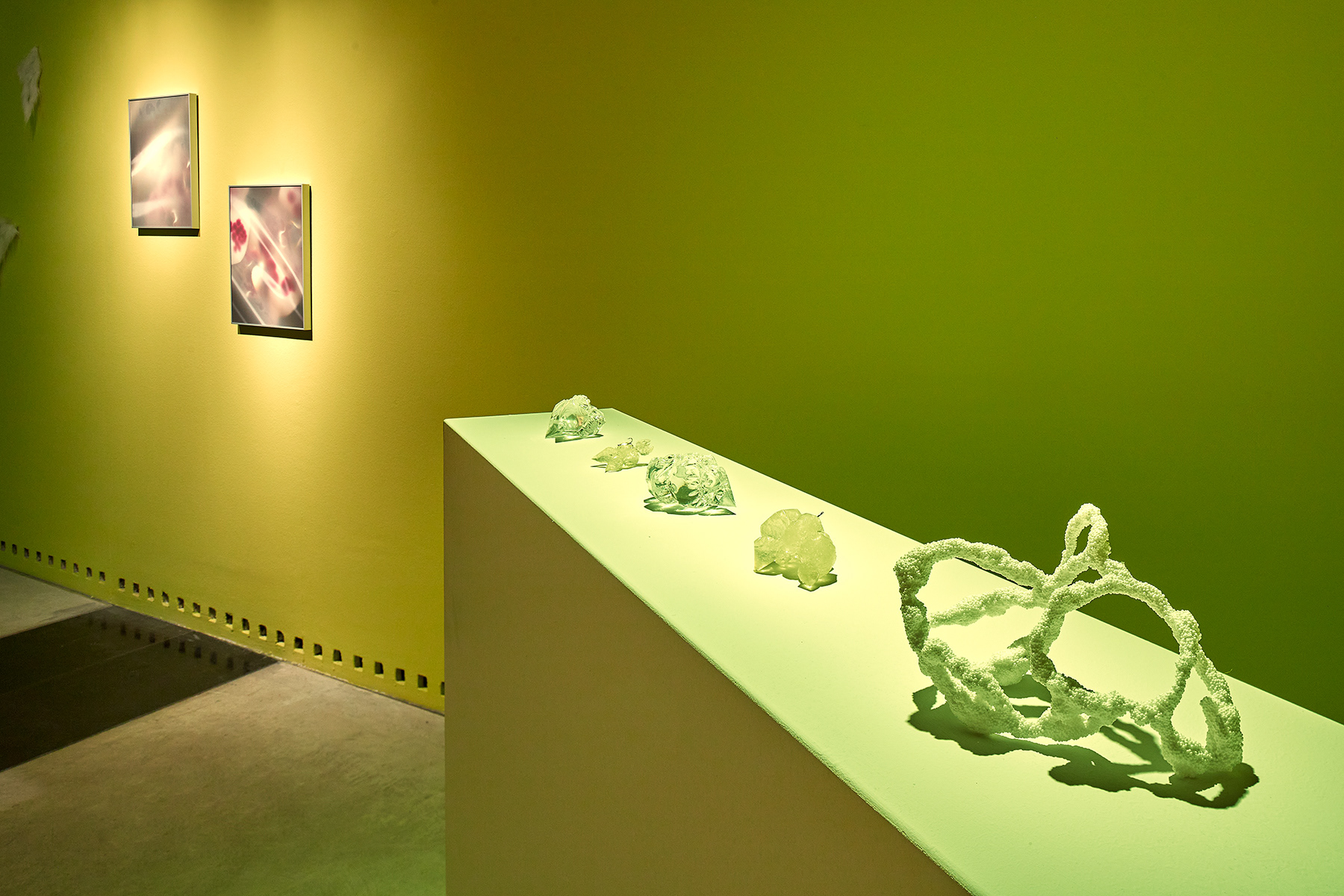
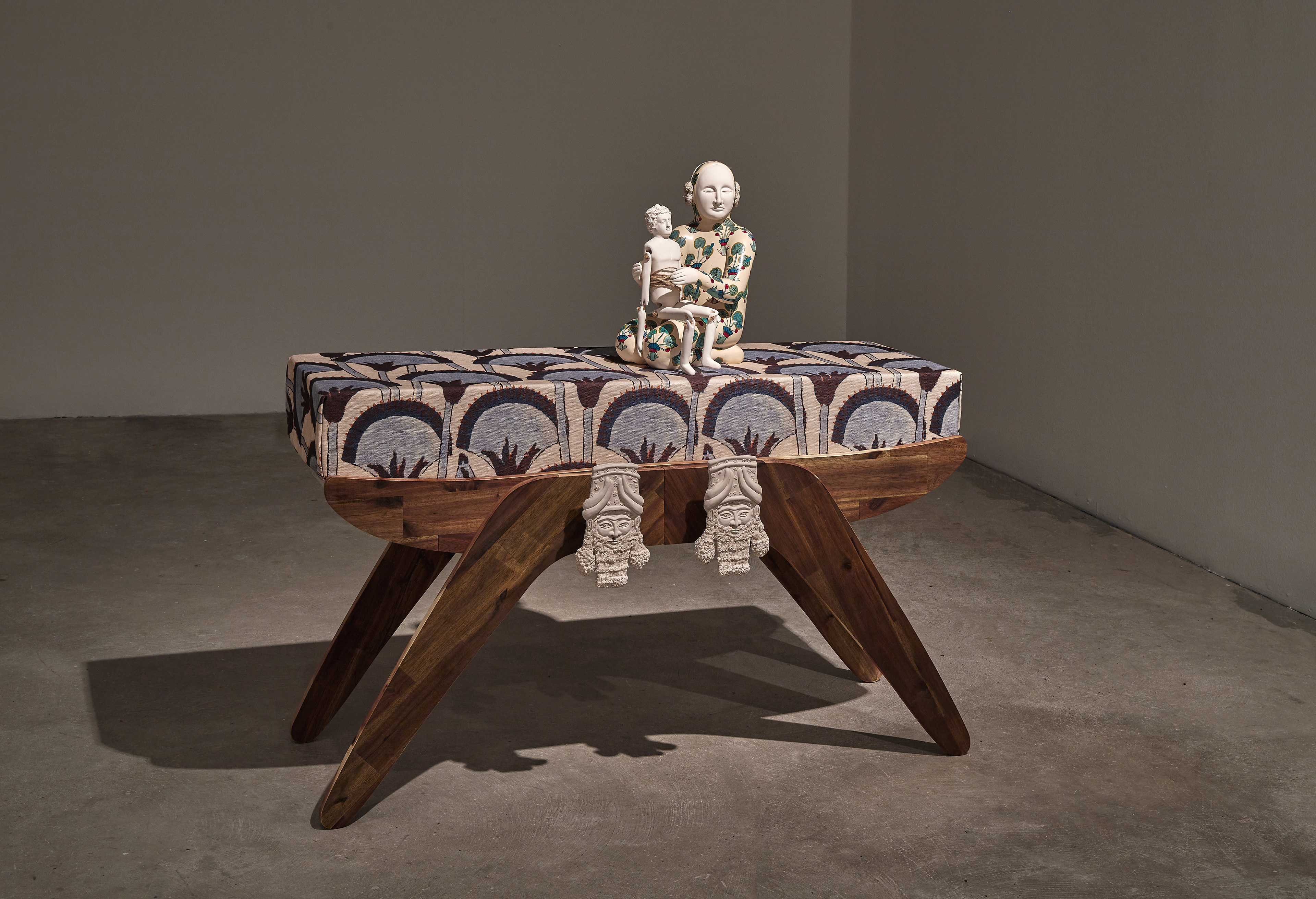
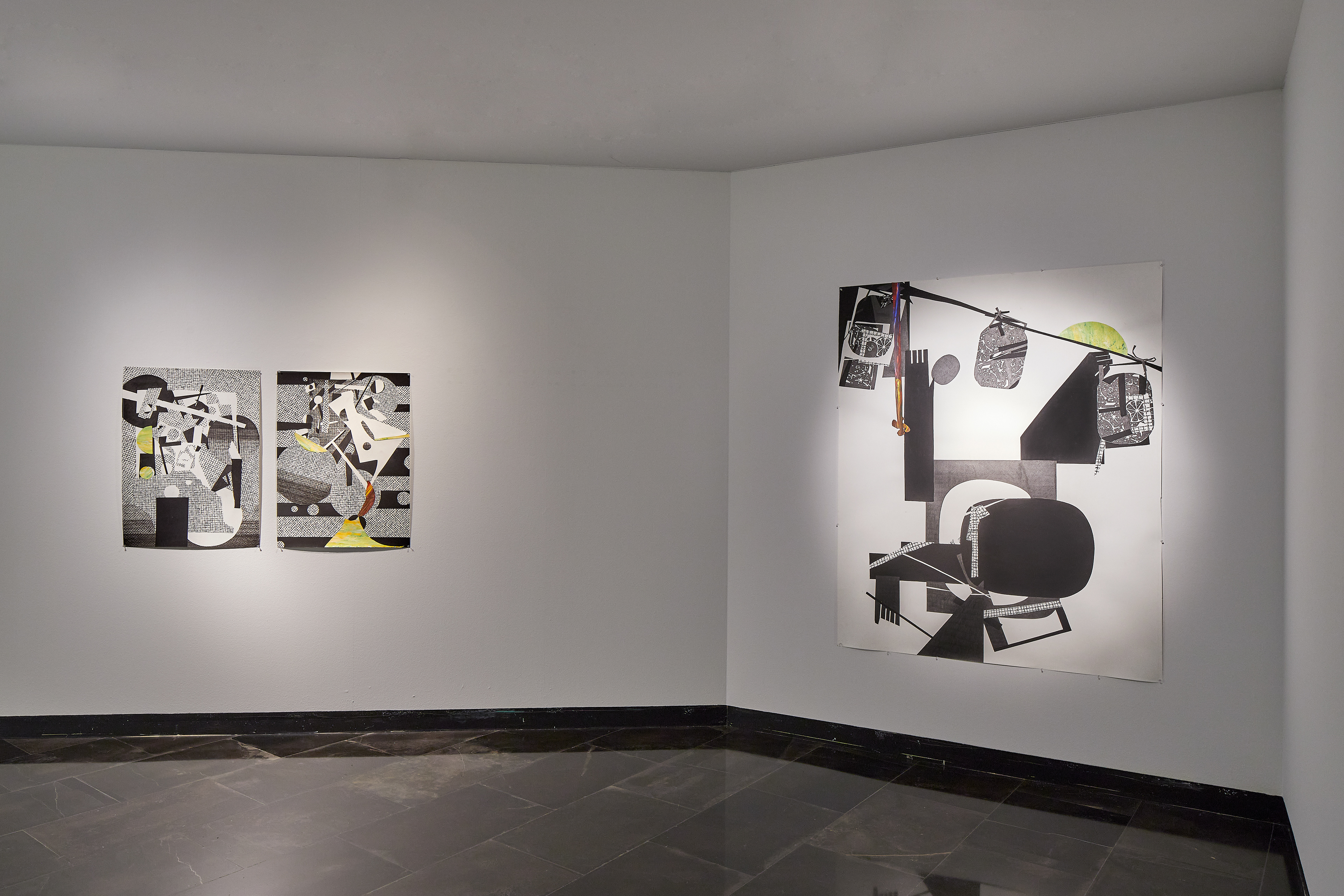
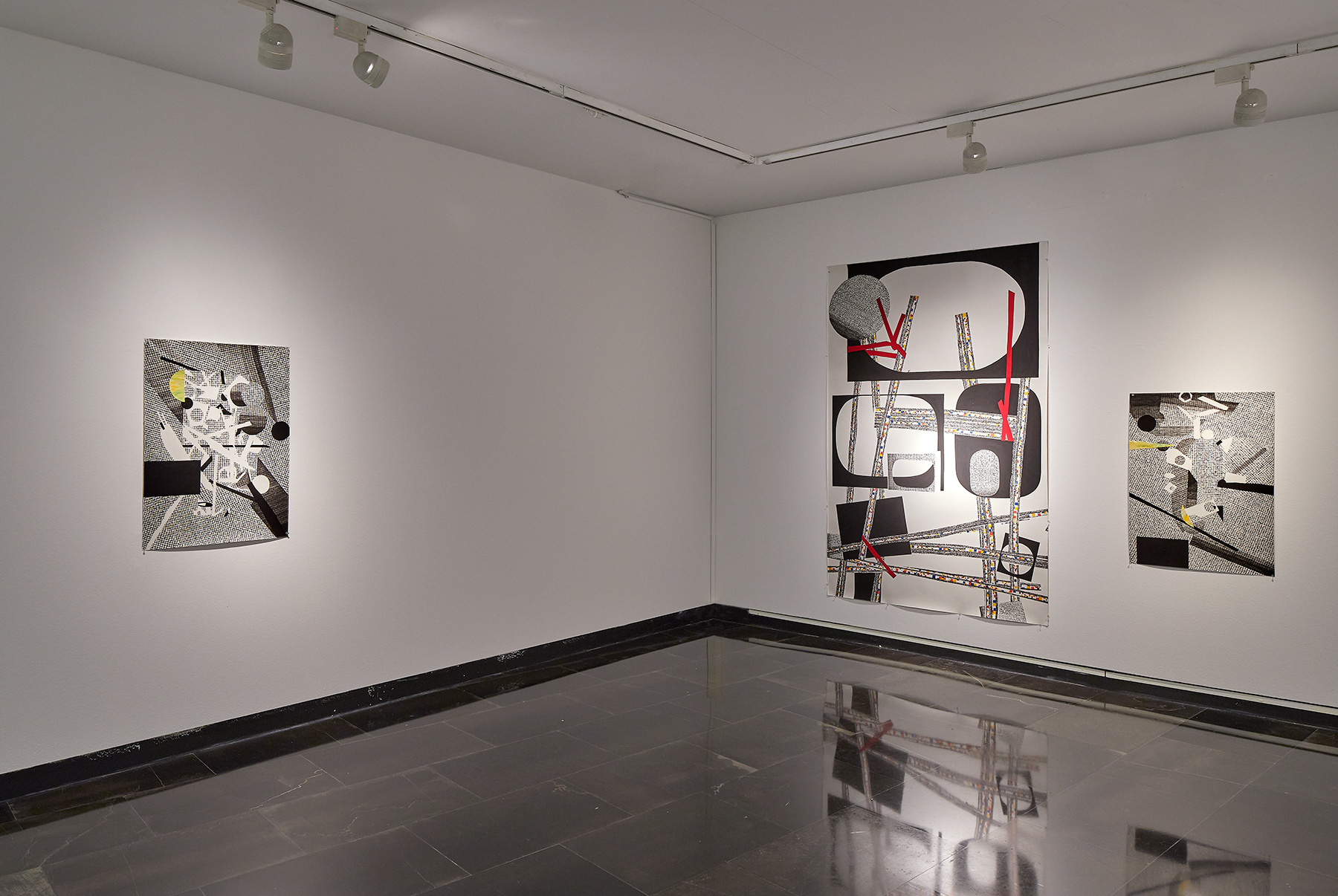
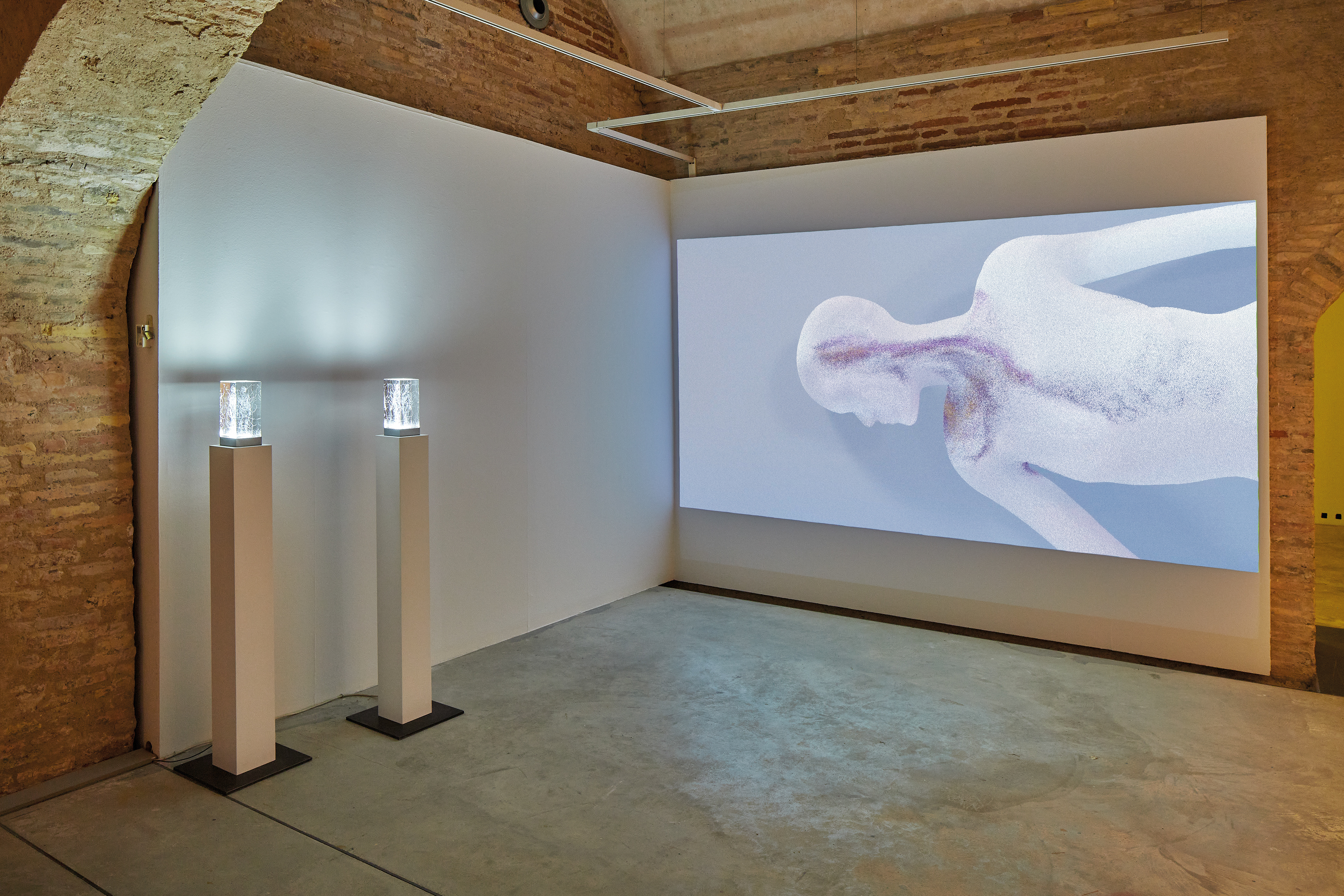
Through a reconsideration of the cyborg body and its hybridisation with the environment, Marina Núñez investigates the relationships established between the individual and nature. Weixin Quek Chong draws on the speculative potential of the encounter between material and body, as well as on the sensations involved in inhabiting a place where the individual seeks to become avatar, animal, network and rhizome, in search of a future in which the body may be something more than merely a body. Sandra Val approaches ceramics not only through visual experience, but also through a haptic perception that imbues the relationship between body and architecture with new meanings and allows us to reconstruct ourselves through new sensibilities. In her work, Raquel Algaba explores the tensions between mind and body as generators of realities. As in Piercy’s novel, we witness the vision of a world that we cannot know whether it exists somewhere within reality or takes place only inside us. Finally, Abigail Lazkoz’s work proposes, in a certain sense, the possibility of reinterpreting ourselves—of turning our bodies into architecture, line and counterpoint.
Individual, object, space and time respond to one another, becoming an active mass that expands and contracts. As in the shifting view through a kaleidoscope, these tensions produce a different image each time: an infinite series of combinations that might continue without end.