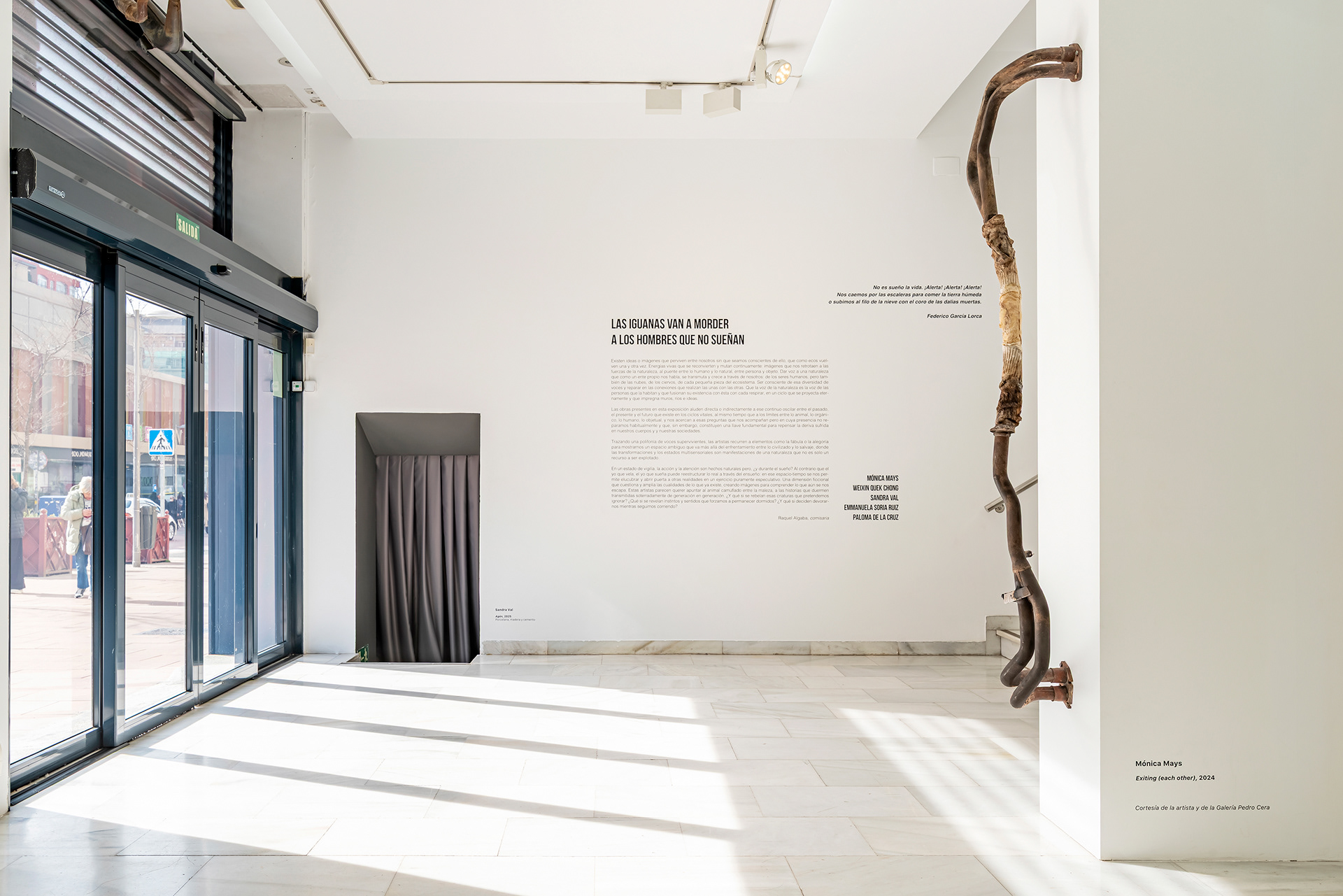
Iguanas will bite those who do not dream
Sala de Arte Joven de la Comunidad de Madrid 13 Februar - 20 April 2025
Artists: Mónica Mays, Weixin Quek Chong, Sandra Val, Paloma de la Cruz, Emmanuela Ruiz
Curated by Raquel Algaba
There are ideas or images that live on among us, often without us being aware of it; that, like echoes, return again and again. Living energies that transform and mutate continuously, that take us back to the impulses that have always existed between the human and the natural. The voice of nature is not just a metaphor; it is the voice of those who inhabit it and who merge their existence with it in each breath: a cycle that projects into the past and into the future and permeates walls, rivers and ideas. By recognizing this continuity and reconnecting with the forces that sustain us, by paying attention to these voices and connections, we begin to blur the boundaries that often stand between us and what we do not understand. An exchange of meanings is established that challenges us to reflect on our position in the world. In this sense, an appreciation of nature as a living entity invites us to a deeper understanding of our own existence.
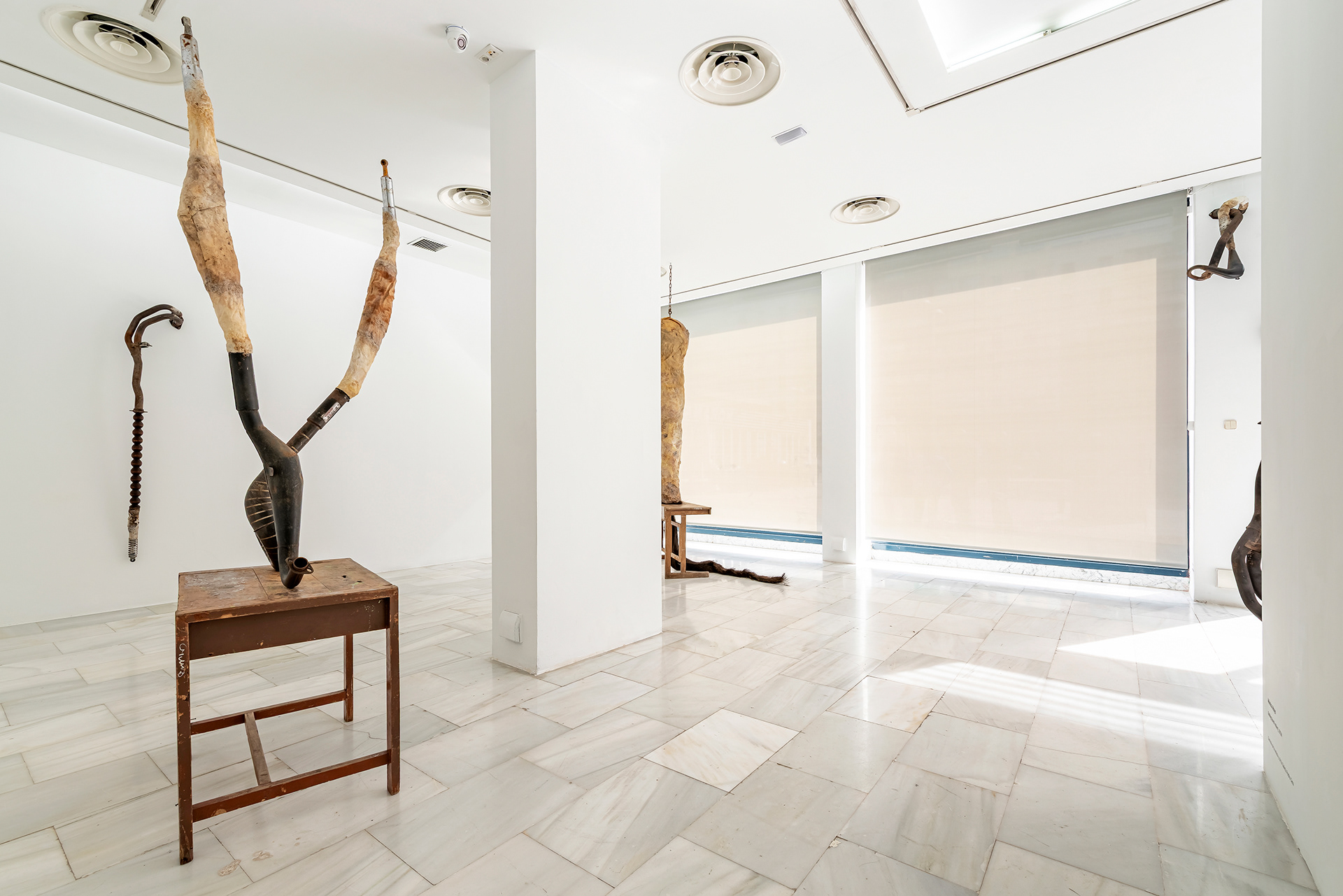
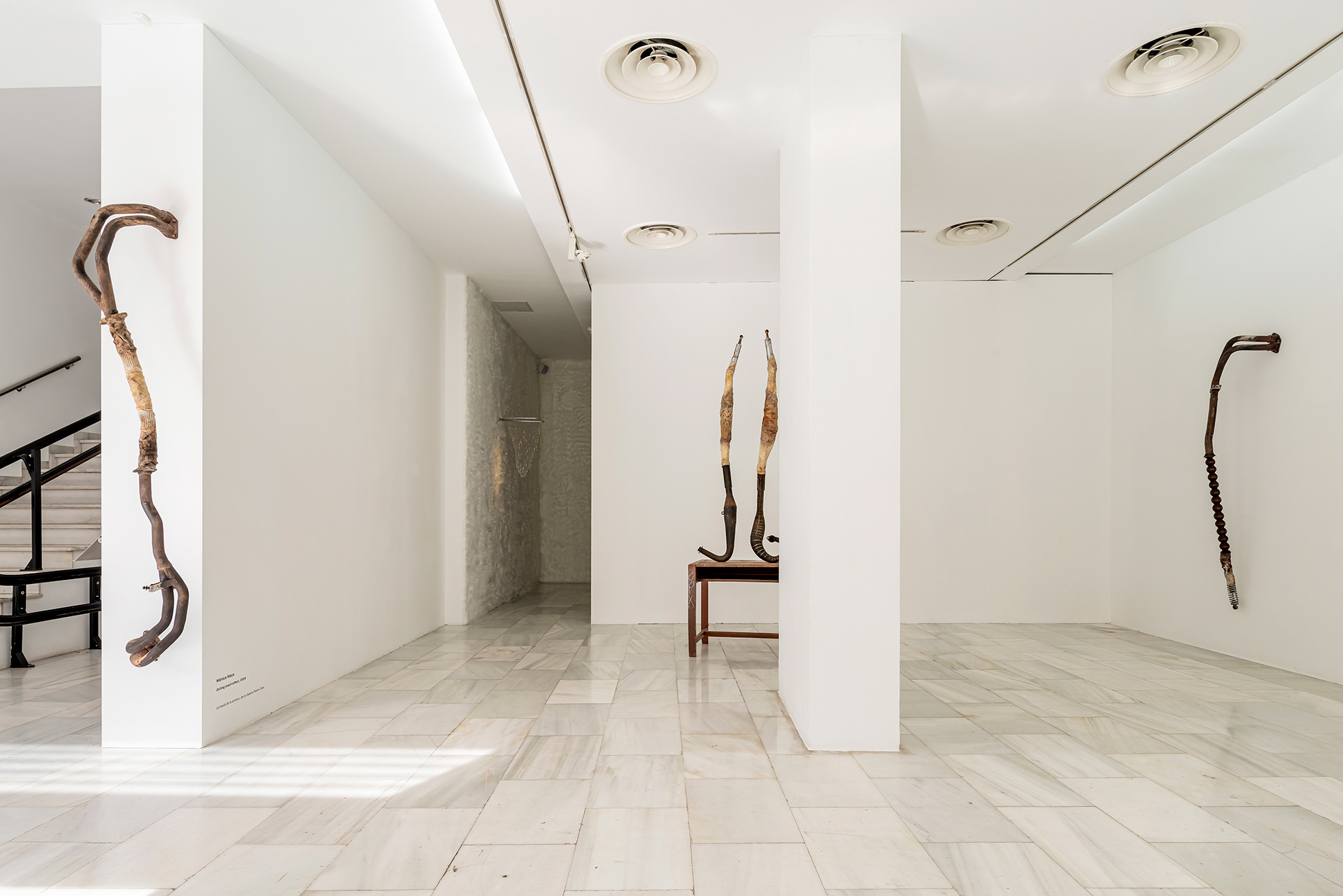
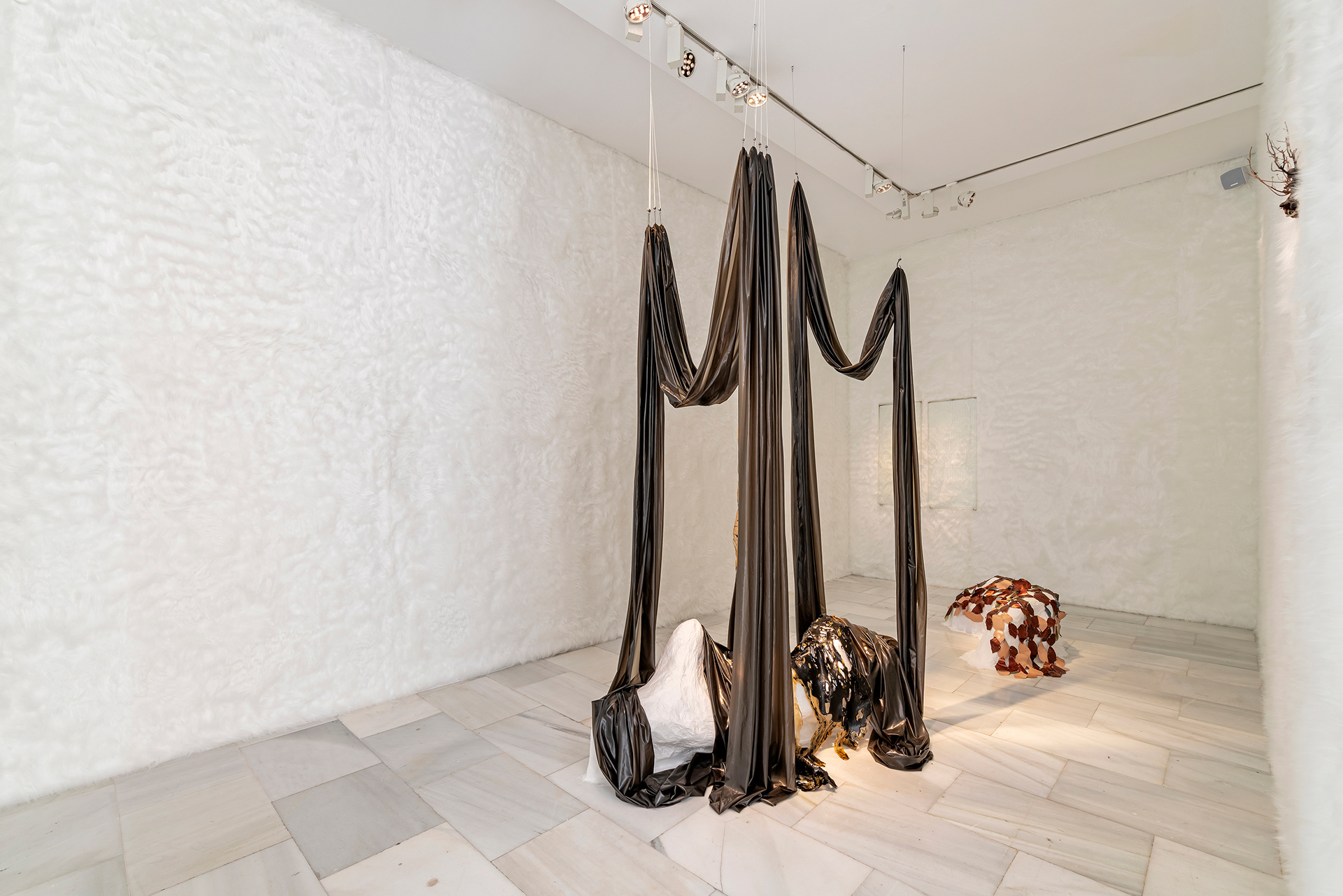
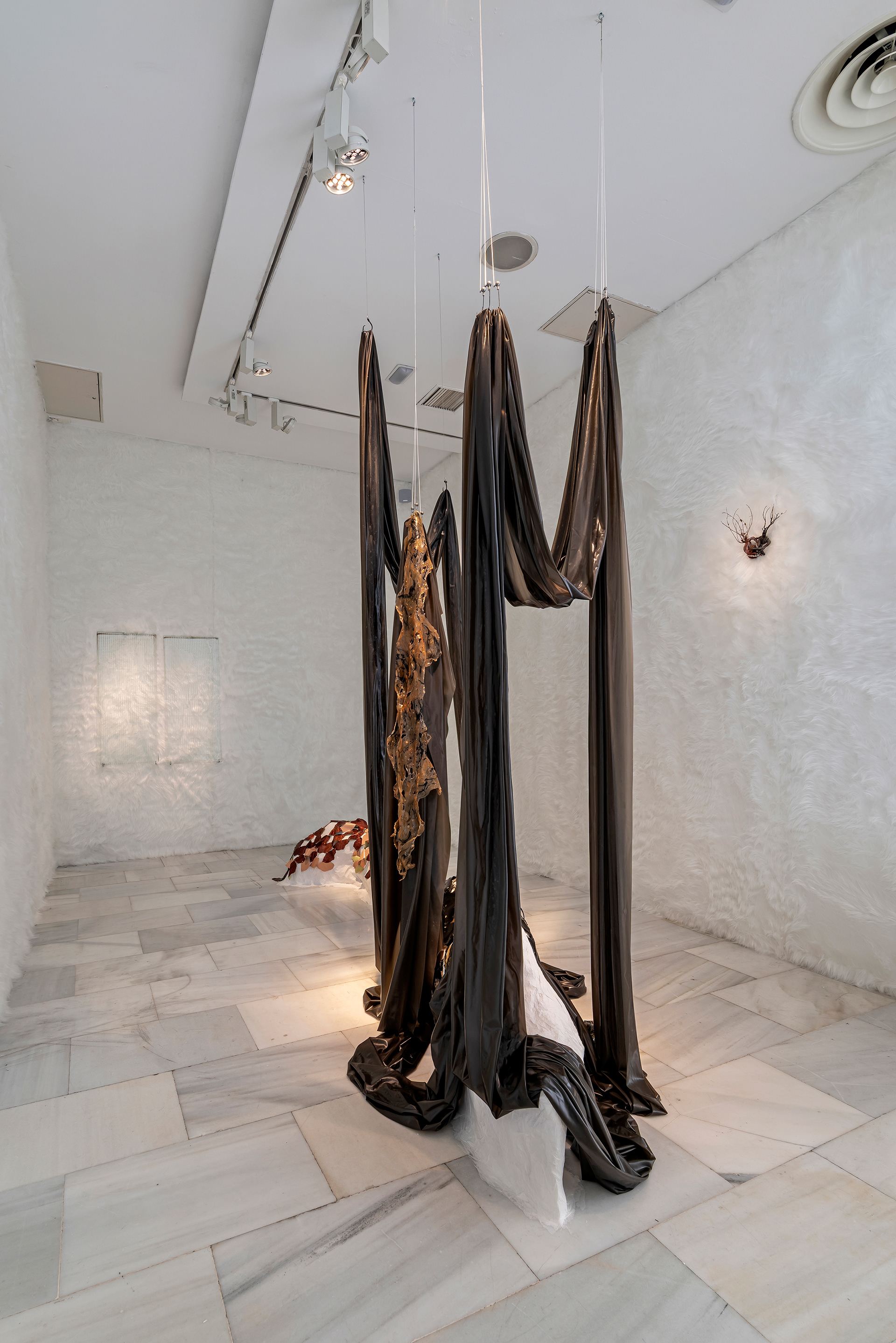
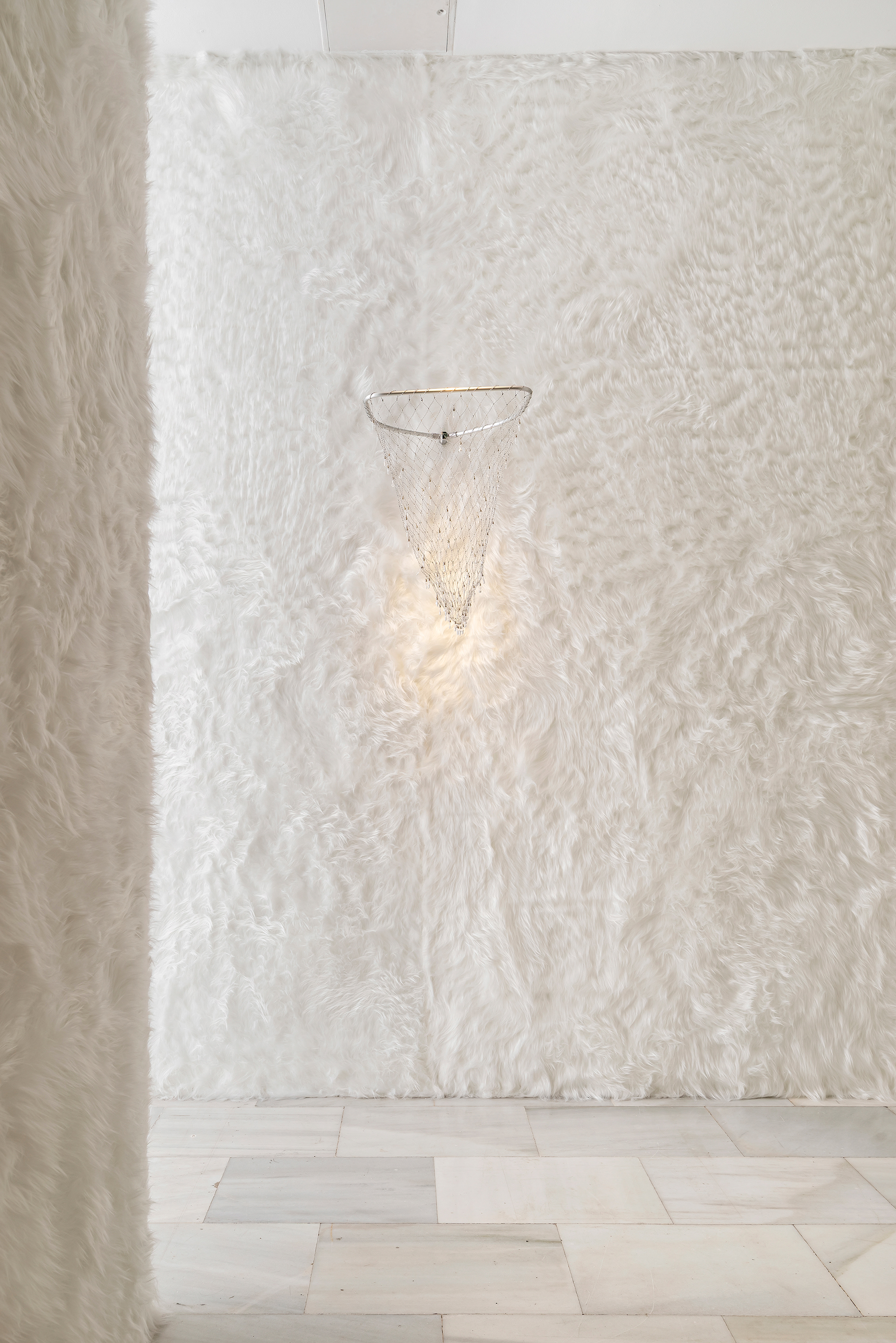
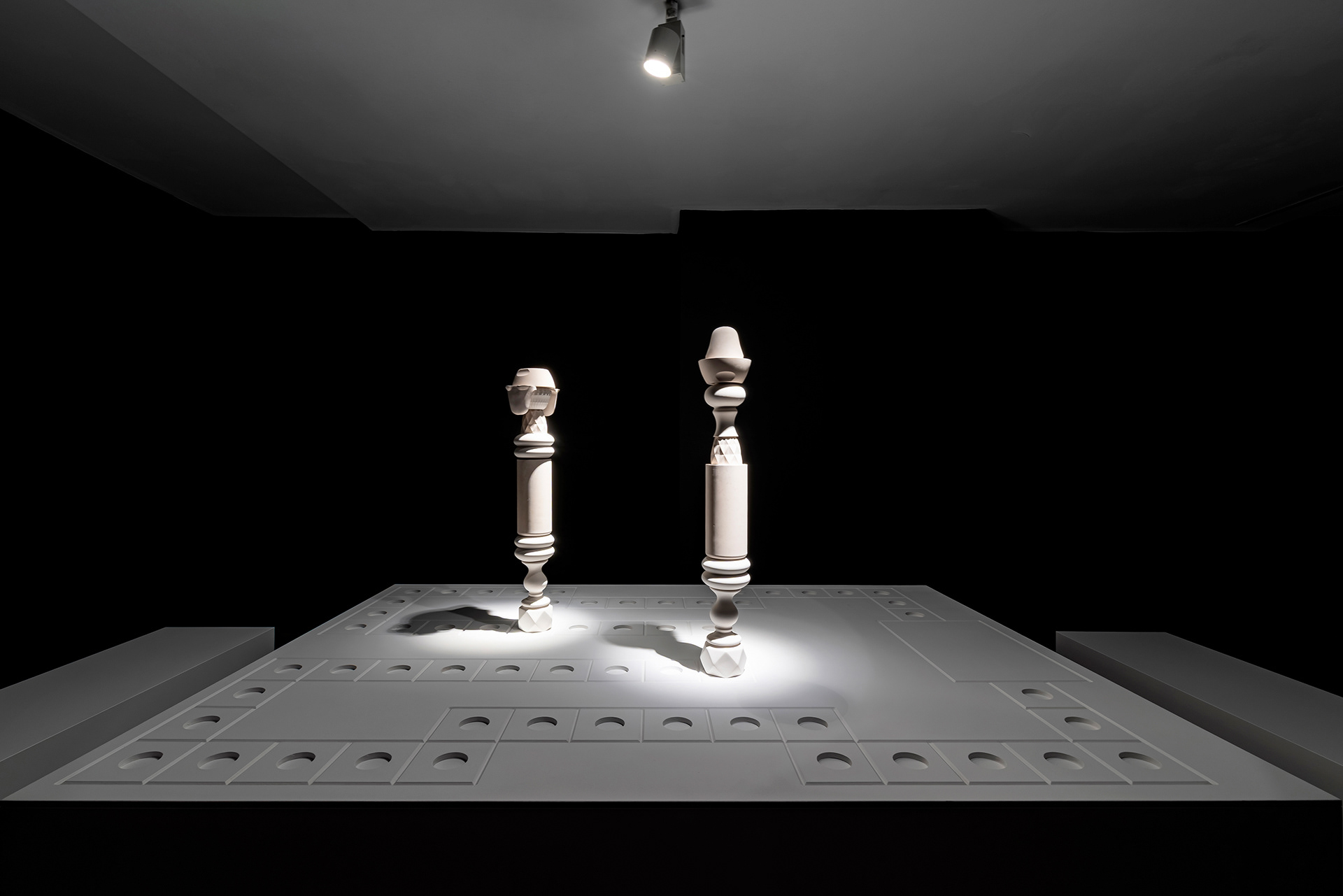
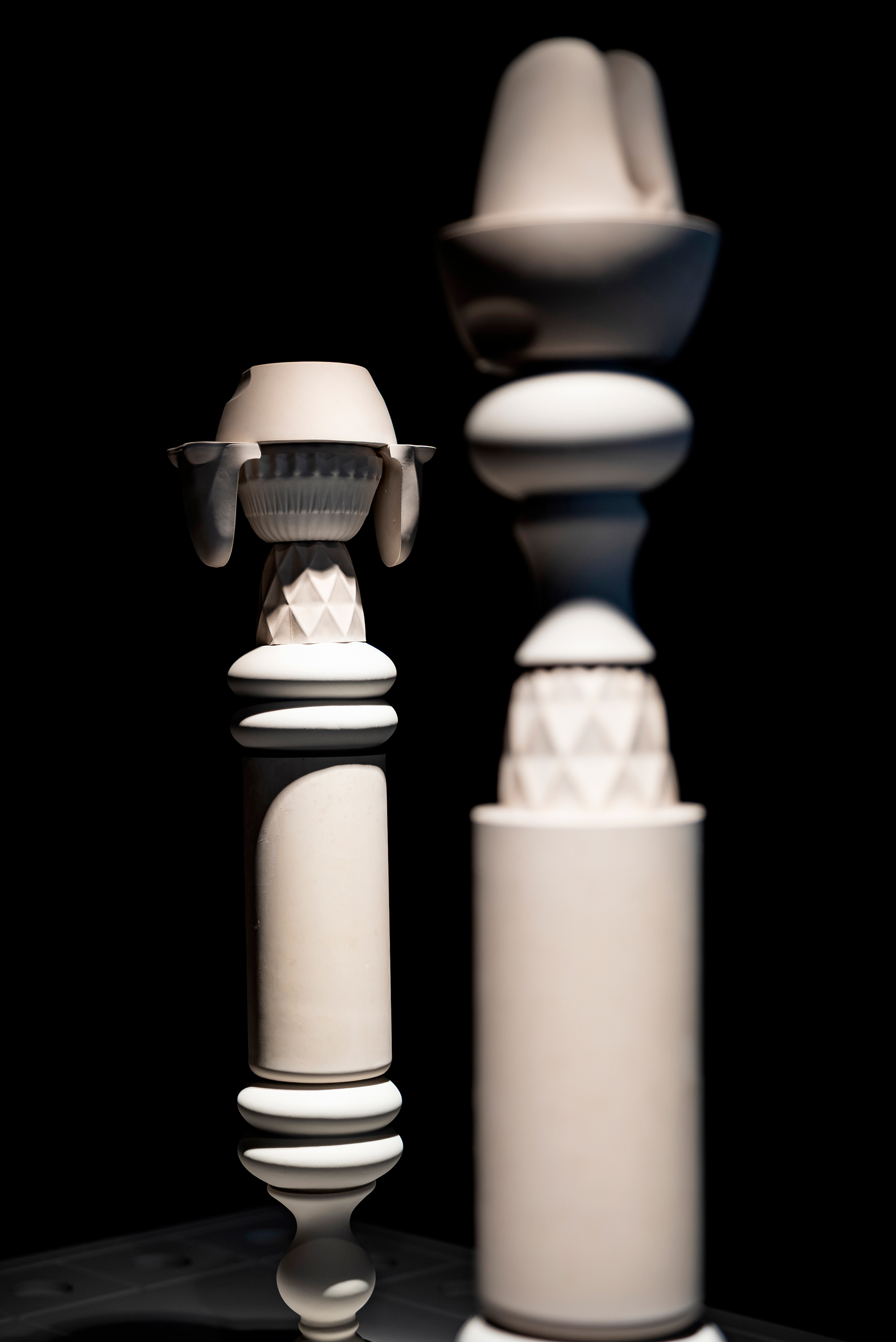
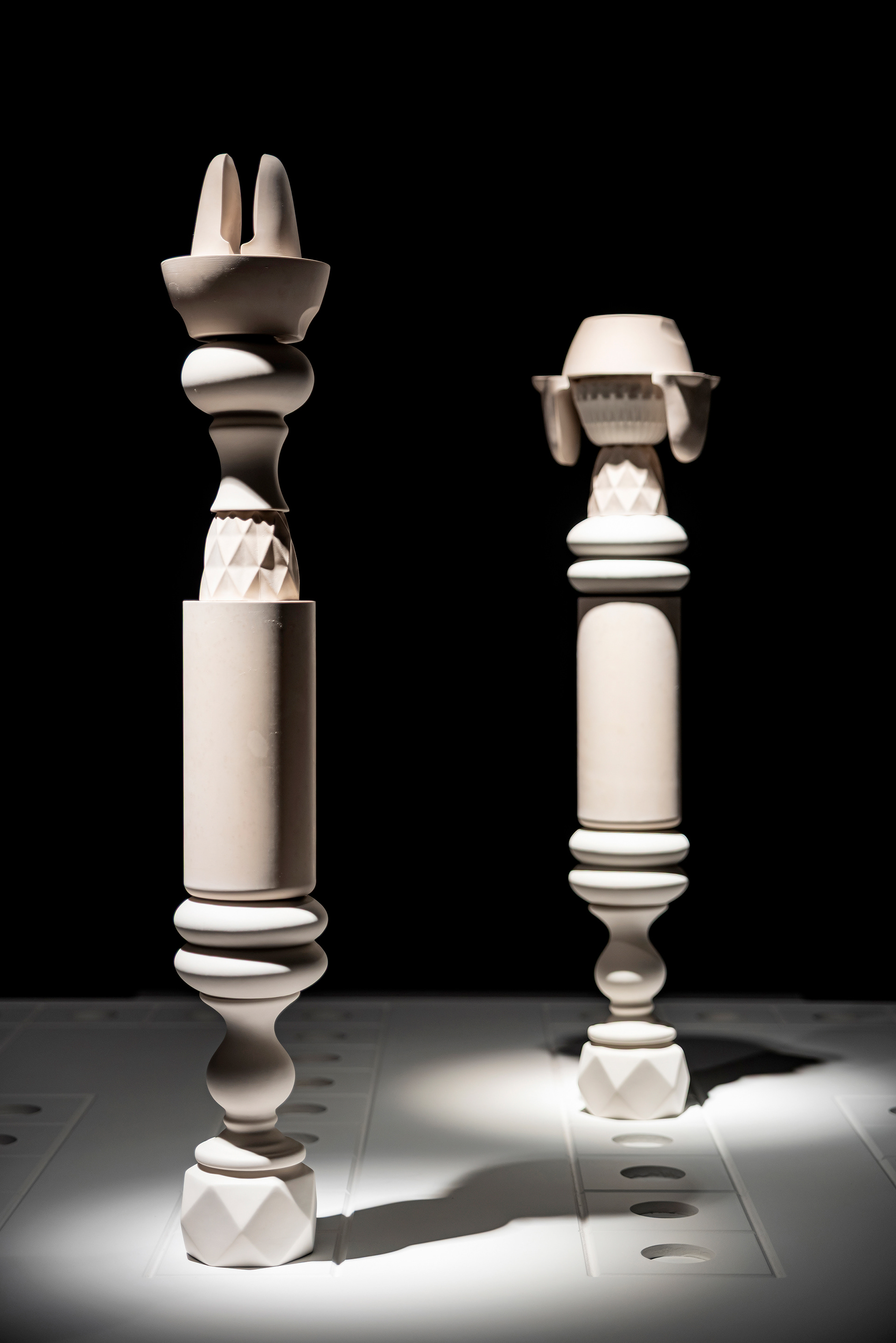
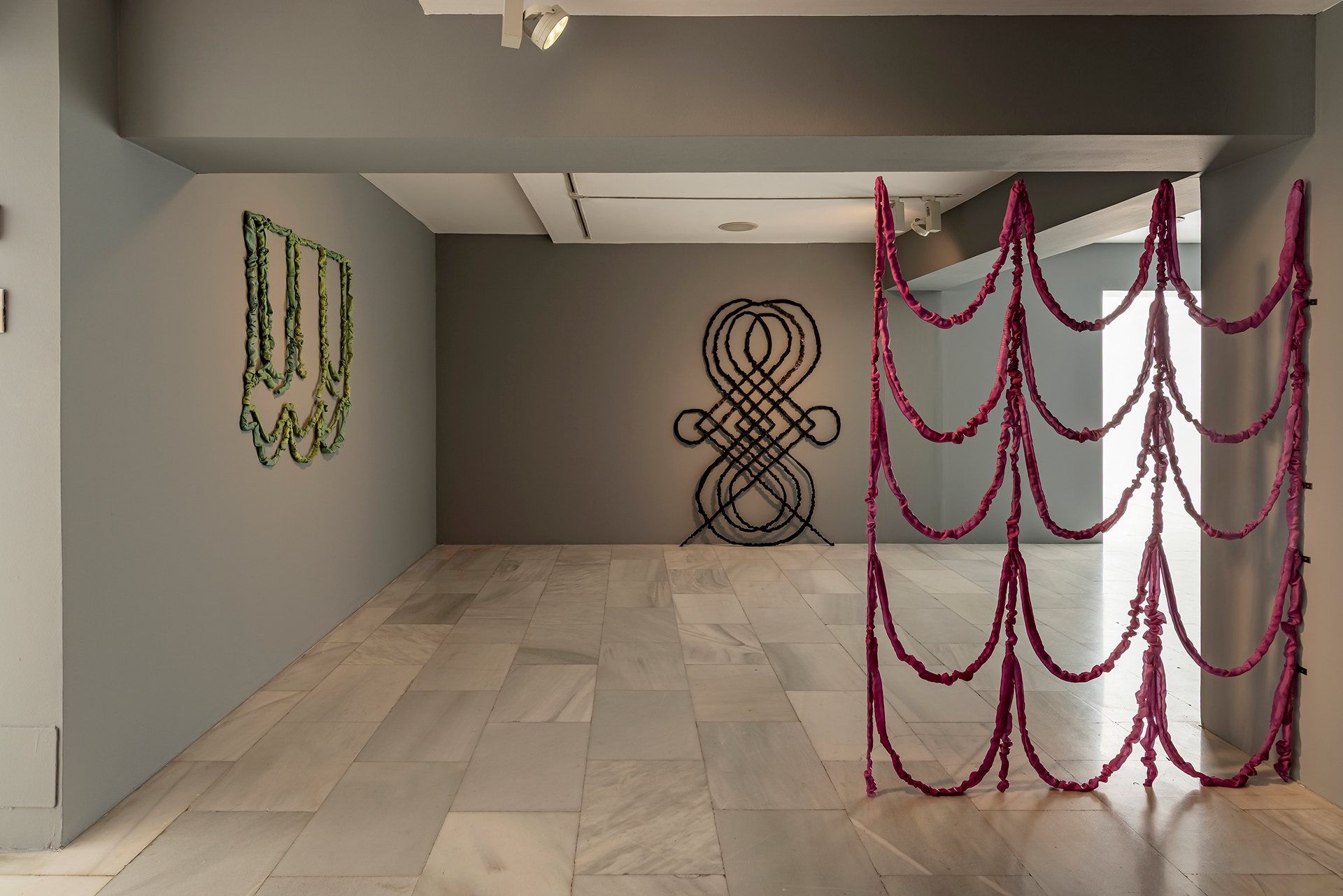
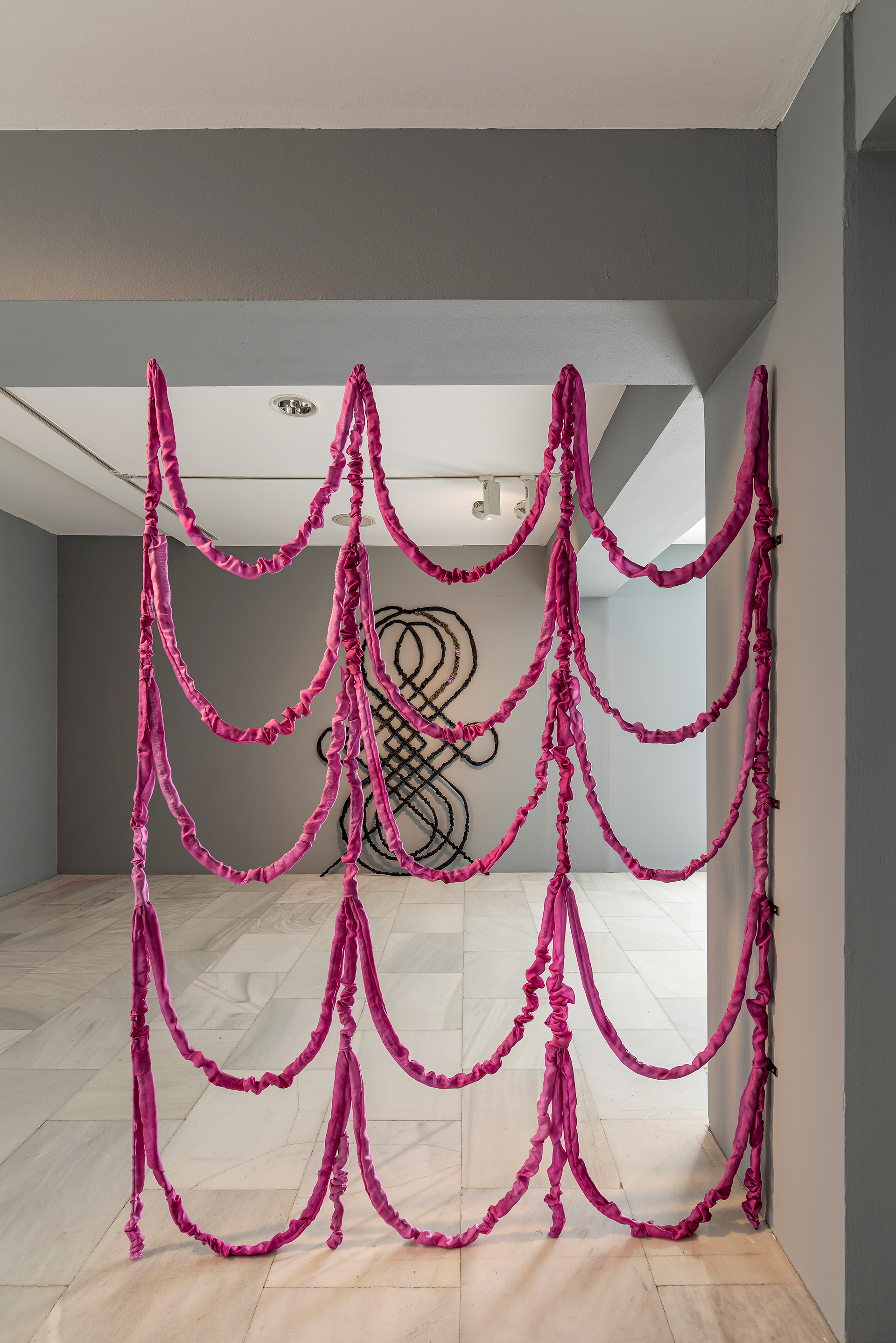
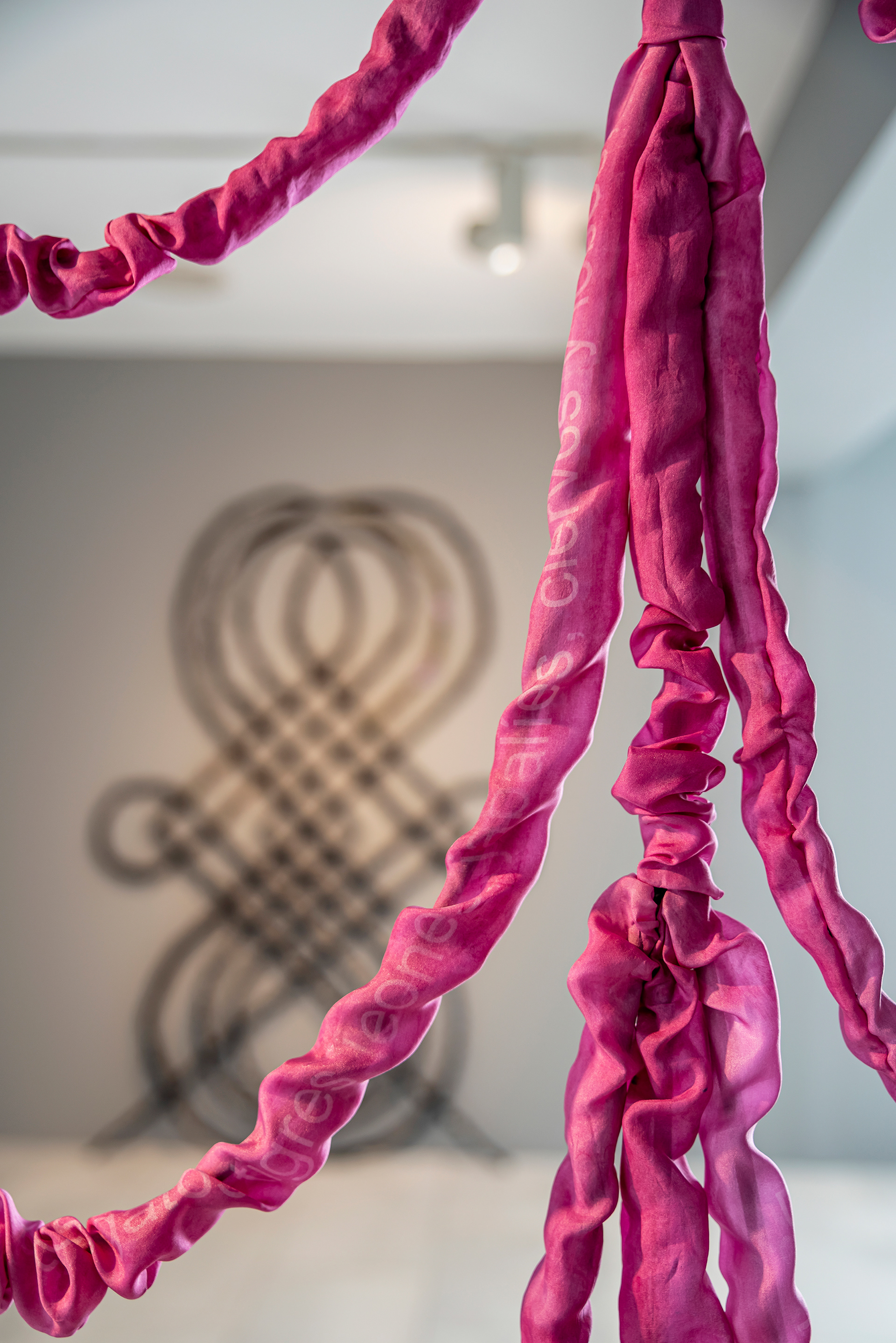
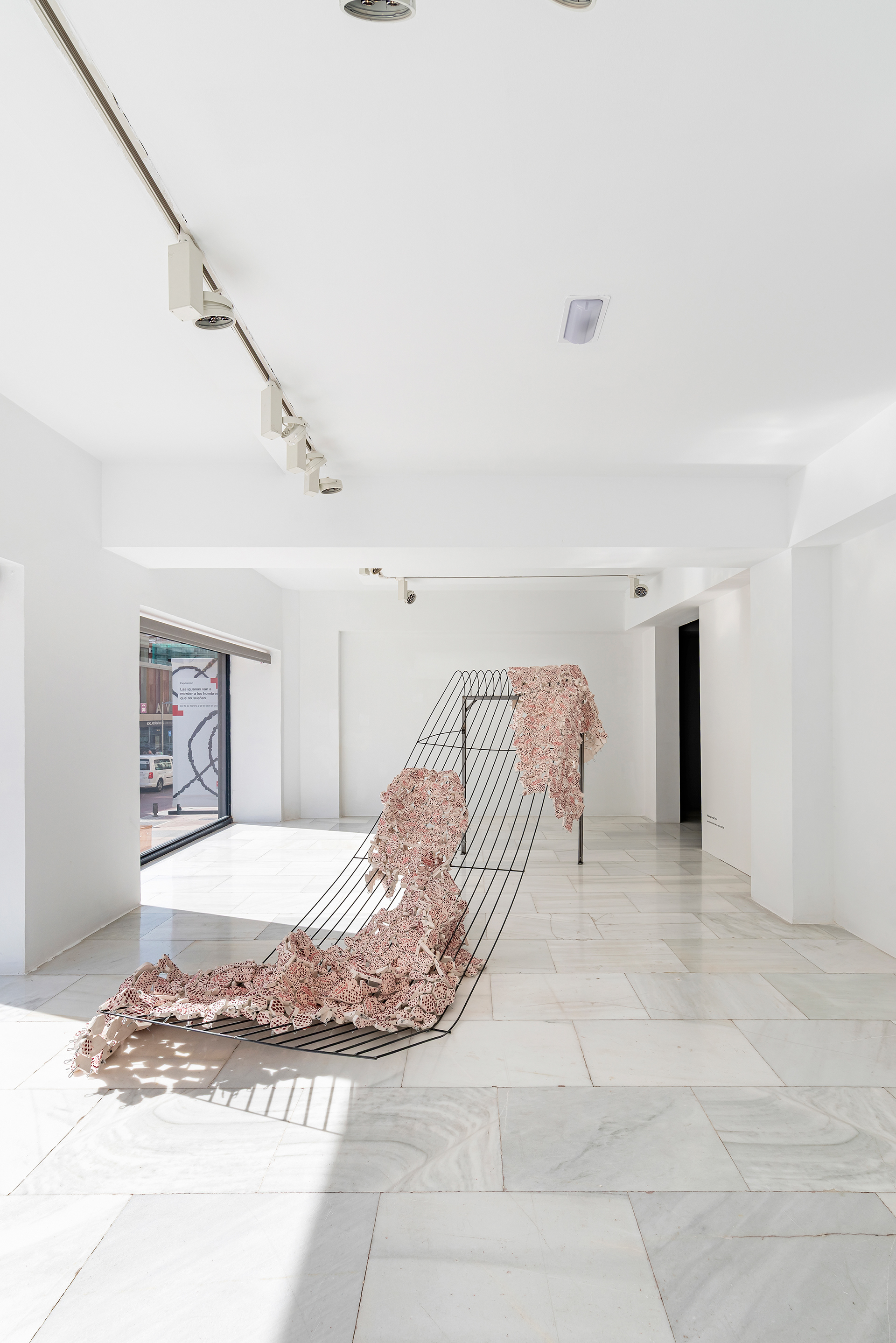
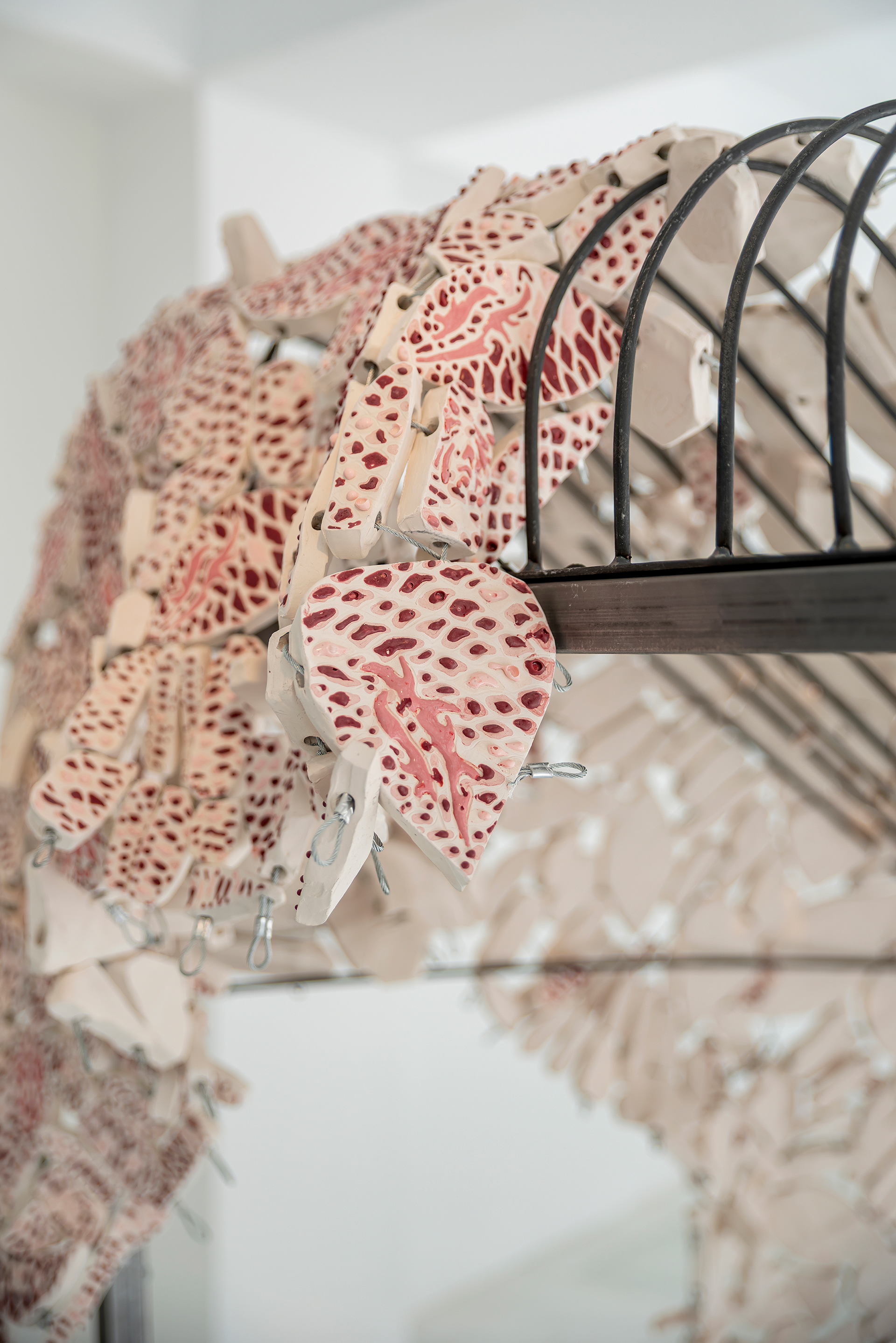
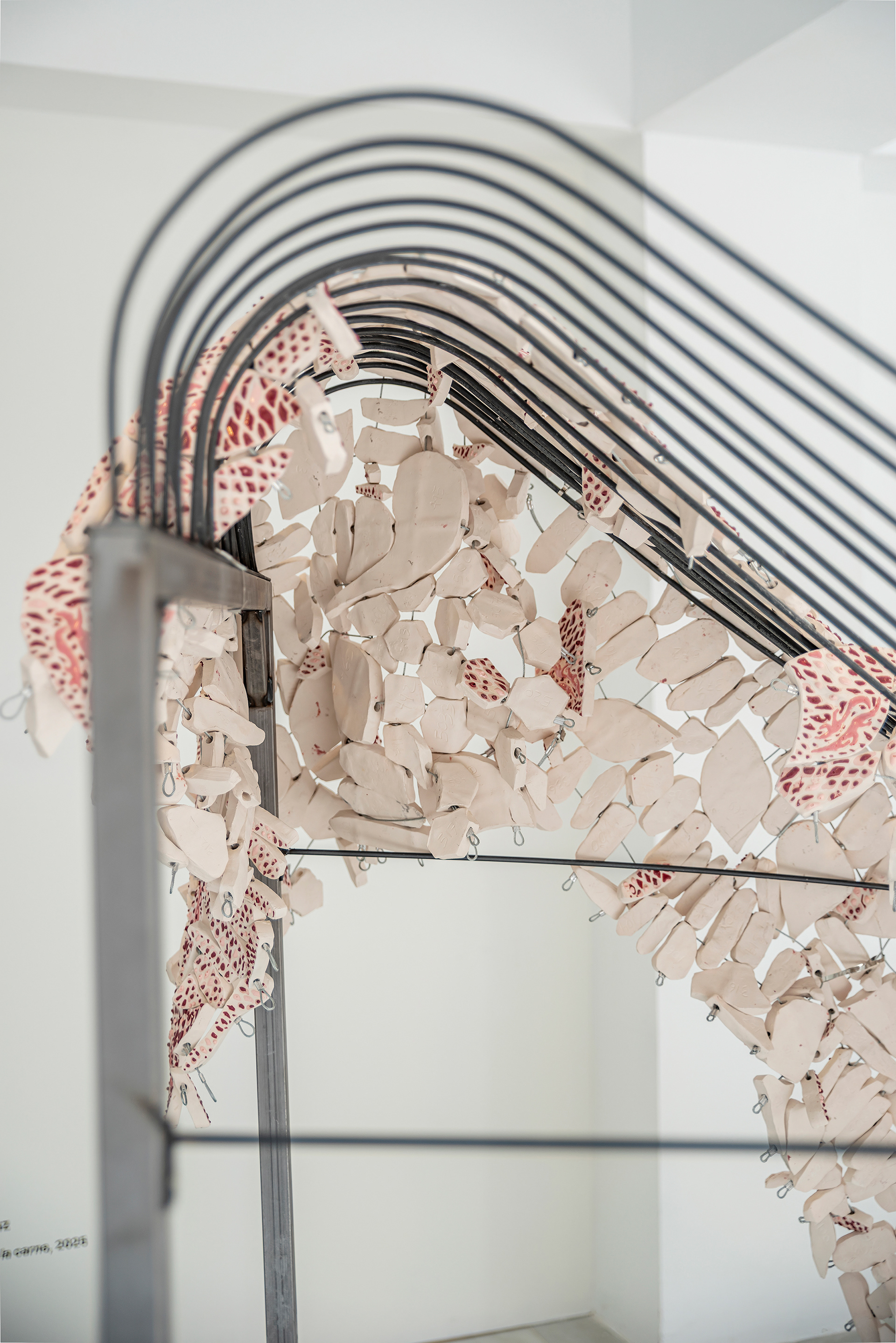
The exhibit space turns into a place for collective dreaming and imagining is a utopian endeavor. A landscape of symbols created through artistic practice, and evoking both contemporary and primitive forms, at no point do they seek to, nor can they, override the frenetic capitalist pace outside these walls. But each of the works individually acquire new meanings, completely opposite to their immediate significance, and become a tool to exorcise our current anxieties.”The iguanas are going to bite the men who do not dream” proposes the articulation and alliance of stories, legends, materials and hybrid knowledge to build initiatory landscapes, a cosmic confessional and an invitation to cultivate the singular world that hides behind appearances, and where beliefs and superstitions grafted in alternative contexts are reflected upon, opening a gap in a subaltern time and a dreamlike space. In this space, matter is not separated from the world by well-defined borders; it is mixed with the world, and this allows it to inhabit both a collective imaginary and the possibility of a different relationship with the environment/landscape.
Tracing a polyphony of survivals, through which they narrate the attempt to domesticate the natural, in this exhibition the artists recur to fable or allegory to show us an ambiguous and contradictory space that goes beyond the confrontation between the civilized and the wild, where inversions, transformations and multisensory states are manifestations that belong to the common, and where nature manifests itself not only as a resource to be exploited. The works in this exhibition allude directly or indirectly to that continuous oscillation between past, present and future that exists in life cycles, at the same time as in the limits between the animal, the organic, the human, the objectual, and bring us closer to those questions that accompany us but whose presence we do not usually notice, and that, nevertheless, constitute our becoming and a fundamental key to rethink the drift suffered in our bodies and our societies.
These artists seem to target the animal camouflaged in the undergrowth, the sleeping stories passed down from generation to generation. What if those creatures we pretend to ignore rebel, what if the instincts and senses we force to remain dormant are revealed? What if they decide to devour us as we continue running?